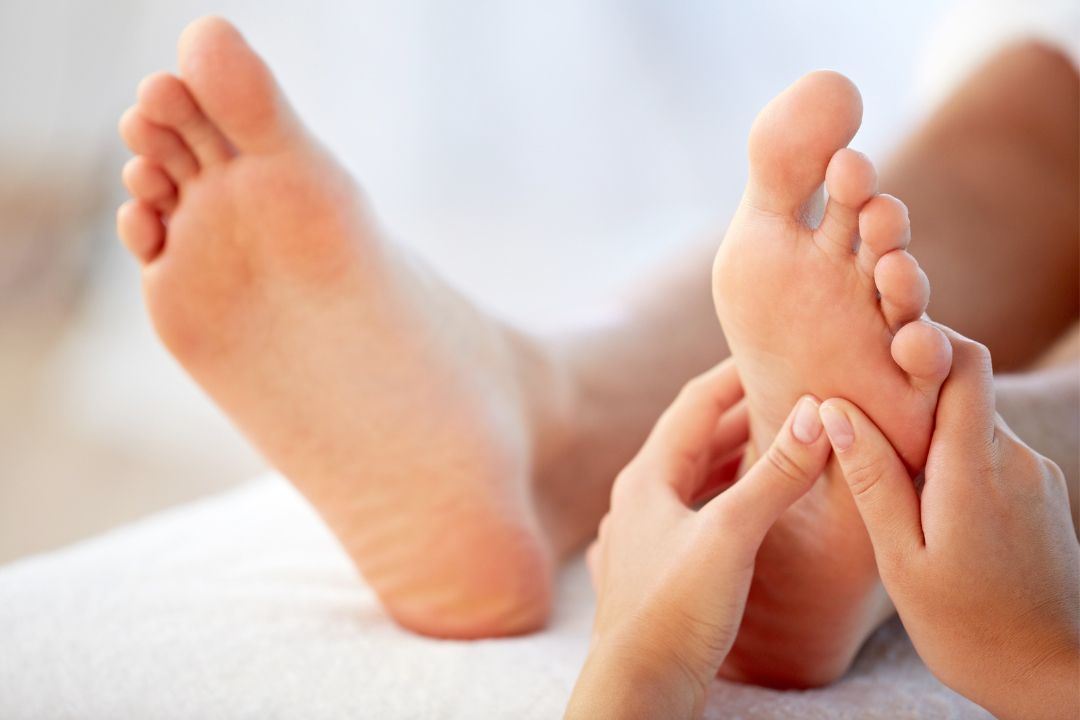
The Benefits of Reflexology
In recent years, reflexology has gained popularity as a complementary therapy that offers a wide range of health benefits. Although often regarded with skepticism, a growing body of research and anecdotal evidence suggests that reflexology can contribute to overall well-being. In this blog post I take a look at the benefits of reflexology. Please do get in touch if you would like a treatment to see if it can help you.
Stress Reduction and Relaxation
One of the most well-documented benefits of reflexology is its ability to reduce stress and promote relaxation. The gentle, soothing pressure applied during a reflexology session helps to stimulate the parasympathetic nervous system, which is responsible for the body’s “rest and digest” response. This activation can lead to a significant decrease in stress hormones like cortisol, helping individuals feel more relaxed and at ease.
Research has shown that reflexology can lower anxiety levels, improve mood, and enhance overall emotional well-being. A study published in the Journal of Complementary Therapies in Clinical Practice found that reflexology was effective in reducing anxiety and improving sleep quality in patients undergoing coronary care, highlighting its potential as a supportive therapy in high-stress situations.
Improved Circulation
Reflexology is also thought to improve blood circulation throughout the body, studies have shown it can reduce heart rates and blood pressure. A better functioning circulation system means that oxygen and nutrients are more efficiently delivered to cells, promoting optimal function and healing.
Pain Relief
Another significant benefit of reflexology is its ability to alleviate pain. Reflexology is often used as a complementary therapy for conditions such as arthritis, migraines, back pain, and fibromyalgia. It is thought that reflexology works by stimulating the nervous system, which can interrupt pain signals and promote the release of endorphins, the body’s natural painkillers.
Several studies support the efficacy of reflexology in pain management. For example, research published in the Journal of Pain and Symptom Management found that cancer patients who received reflexology reported lower pain levels and improved quality of life compared to those who did not receive the therapy.
Enhanced Immune Function
The immune system plays a crucial role in protecting the body from illness and infection. Reflexology can boost immune function by promoting relaxation and reducing stress, which is known to weaken the immune response. Additionally, improved circulation and lymphatic drainage, facilitated by reflexology, help to remove toxins and pathogens from the body more efficiently.
A study published in the Journal of Alternative and Complementary Medicine found that reflexology was associated with a significant increase in white blood cell count, suggesting that it may enhance the body’s ability to fight off infections.
Improved Digestion
Digestive health is closely linked to overall well-being, and reflexology can play a role in supporting digestive function. Specific reflex points on the feet and hands correspond to different parts of the digestive system, including the stomach, intestines, liver, and pancreas. By stimulating these points, and promoting relaxation, reflexologists can help alleviate digestive issues such as constipation, bloating, and indigestion.
Moreover, reflexology can help regulate the autonomic nervous system, which controls the involuntary functions of the digestive system, promoting smoother and more efficient digestion.
Improved Sleep Quality
Many people struggle with sleep disorders such as insomnia or restless sleep. Reflexology can be a natural remedy to improve sleep quality. By promoting relaxation, reducing anxiety, and balancing the nervous system, reflexology helps the body transition into a state more conducive to restful sleep.
In fact, a study in the Journal of Korean Academy of Nursing found that reflexology significantly improved sleep quality in postmenopausal women, demonstrating its potential as a non-pharmacological approach to better sleep. I have seen first hand with my clients and case studies that treatments can really help with sleep disorders.
Reflexology is more than just a foot massage—it’s a complementary therapy that can offer a wide range of health benefits. From reducing stress and pain to improving circulation and boosting immune function, reflexology can be a valuable addition to your wellness routine. While it should not replace conventional medical treatments, reflexology can complement traditional therapies and enhance your overall quality of life.
As with any therapy, it’s essential to consult with a qualified practitioner to ensure that reflexology is appropriate for your individual needs. Whether you’re looking to alleviate pain, improve sleep, or simply relax, reflexology offers a gentle and natural way to support your health and well-being.